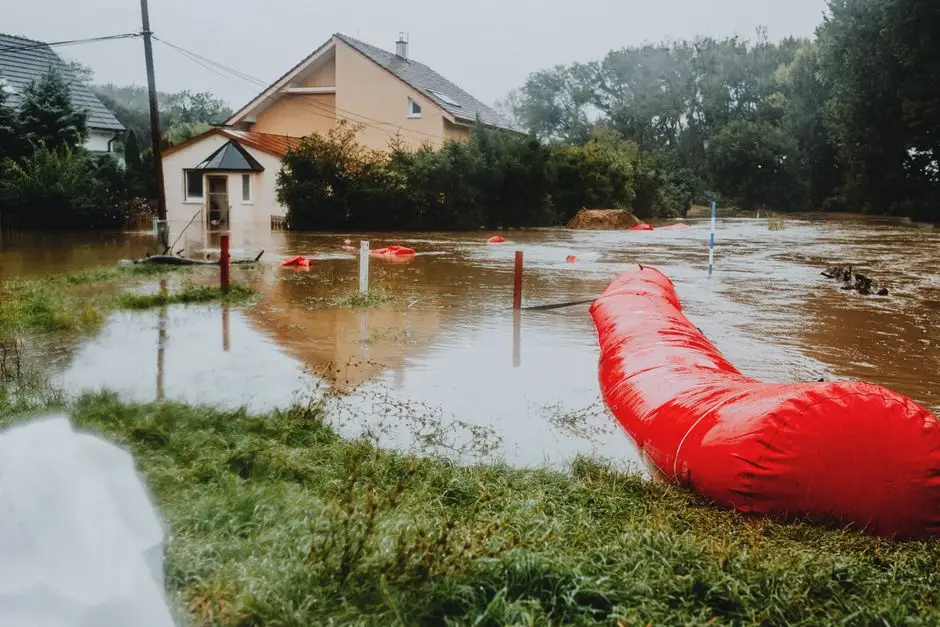
Staged water pumping
Submersible pumps lower water gradually, with wet vacuums to finish the floor. If groundwater keeps entering, pumping continues until the source slows.
Call now to speak to a specialist
Call (385) 481-3042Basement flood cleanup typically covers pumping, removal of wet finishes, cleaning and drying of the slab and walls, and a check of where the water came from. Rebuilding such as new drywall, flooring and paint is generally a later phase once readings are normal.
Submersible pumps lower water gradually, with wet vacuums to finish the floor. If groundwater keeps entering, pumping continues until the source slows.
Wet carpet, pad, insulation and the lower portion of drywall are cut out, bagged and hauled, typically 2 to 4 feet up the wall.
Concrete and framing are cleaned and, where water was contaminated, treated with an antimicrobial so bacteria and mold have less to grow on.
Air movers and dehumidifiers run for roughly 3 to 5 days, with moisture readings logged daily until walls and slab reach dry standards.
The sump pit, pump, discharge line, window wells and downspouts are checked so you know what likely caused the flood.
Basement Flood Cleanup in Layton is the removal, cleaning and drying work needed after groundwater, sump failure or a plumbing leak floods a below-grade level of a home. It differs from a main-floor flood in three ways. Water often keeps arriving until its source stops, concrete and block walls hold moisture for days, and finished basements trap it behind carpet, framing and drywall. Crews pump in stages, remove wet finishes, clean and dry the slab and walls and watch moisture readings.
Local conditions make basement water a regular event. Central Layton has many 1970s to 1990s homes with finished basements, East Layton homes sit on foothill slopes with window wells, and spring runoff from the benches raises groundwater. In winter, a frozen supply line upstairs can also drain straight into the basement. Flooded basement cleanup in Layton usually starts with finding which of these is the source, since a fix for one will not help another.
A basement job has a few extra steps compared with a main-floor flood. Call (385) 481-3042 and we connect you with a restoration company. This is how the work typically goes once they arrive at your home.
Call
Call (385) 481-3042 and say what happened, where you are and whether the water has stopped.
Get connected
We connect you with an independent local restoration company that serves your area.
The work
The company you are connected with inspects, explains scope and timing, and does the work with you directly.
Keep records
Ask the company for moisture readings and photos so you have a record for your insurer.
Submersible pumps
Move large volumes of water out of a basement through hoses, set low in the room and controlled so water drops gradually.
Wet vacuums and extraction wands
Finish the floor and pull water from carpet and pad that pumps cannot reach.
Moisture meters and thermal cameras
Track dampness in walls and slabs, which can stay wet after floors appear dry.
Low grain refrigerant dehumidifiers
Pull moisture out of cold, damp basement air much faster than household units, which matters in winter.
Air movers
Push air across walls and floors to speed evaporation, placed along walls and low spots where moisture lingers.
Staged pumping
Water is lowered gradually rather than all at once, which avoids stressing walls and slabs that were holding back water pressure.
Source tracing
Sump, window wells, grading, downspouts and plumbing are checked so the cause is recorded along with the damage.
Dry standard verification
Readings from unaffected areas set the dry target, and the basement is dried until walls and slab match it.
01
What we do: The restoration company pumps the room, removes wet carpet and the lowest drywall, and sets dehumidifiers after checking the window wells and sump.
→ The basement is dried within about 5 days, and the family knows which drainage problems to fix before next spring.
02
What we do: Crews extract water on both levels, open the ceiling where it is wet and dry the basement walls and slab.
→ Damage stays limited to the area under the leak, and mold does not get time to start.
03
What we do: The crew pumps, lifts the carpet, checks walls with a moisture meter and provides written notes on affected areas.
→ The tenant and landlord have clear documentation, and drying is finished without the room being lost.
Basement flood cleanup in Layton depends on the season. In November the main risk is a frozen supply line draining into a finished lower level, and a sump discharge line that freezes can also stop a pump from working. Hard freezes can crack pipes in exterior walls and garages, and thaws send the water down. In spring, snowmelt and runoff off the foothills and along Kays Creek raise groundwater, so East Layton and low areas near the creek see seepage and window wells filling. Central Layton has many 1970s to 1990s homes with carpeted basements, and newer west-side homes often have sump pits that fail if power flickers. Hill Air Force Base and nearby neighborhoods include many rentals, where clear documentation matters. A restoration pro working here pumps in stages, keeps the space heated in cold weather and uses dehumidifiers sized for concrete and cold air. Basement water removal in Layton also includes checking the downspouts, grading and window wells that caused the problem.
East Layton
Slopes and window wells let spring melt reach finished walkout basements, and seepage often continues for days.
Central Layton near Layton Hills Mall
Older homes with carpeted basements and upstairs supply lines often flood the lower level when a pipe splits.
Kays Creek corridor
Higher groundwater in spring pushes water through slab joints and foundation cracks.
Homes near Hill Air Force Base
Many rental basements, so documentation of affected areas helps tenants, landlords and insurers.
Frozen sump discharge lines and power flickers in winter
A pump that cannot discharge or that loses power may stop, and water rises quickly. Battery backups and clear discharge lines reduce the chance.
Spring snowmelt raises groundwater along the foothills
Basements may take on water repeatedly over days, so pumping and moisture checks can continue longer than the first visit.
Basement water in Layton tends to come from a few repeat causes. Each one needs a slightly different response, and identifying the right one during cleanup is what stops the next flood.
Problem
Groundwater keeps rising, soaking carpet, stored items and the bottom of walls, and it may bring silt and bacteria into the house.
Our Fix
Pumps clear the room in stages, wet carpet and pad are removed and the pit and discharge line are checked. Advice on pump replacement or backup is part of the handoff.
Problem
Water entering at the window sill soaks the finished wall and carpet below and can stain drywall and trim within hours.
Our Fix
Standing water is removed, affected finishes are cut out and walls are dried. The well is checked for drainage so you know whether it needs clearing or a cover.
Problem
Slow seepage keeps materials damp for days, and the musty smell and mold risk grow while the source stays unaddressed.
Our Fix
Cleanup removes wet materials, dries the slab and walls and documents moisture levels so you can discuss waterproofing or drainage options with a contractor.

Basements are the lowest and wettest part of the house, and they hold moisture longer than any other level. A careful cleanup limits what is lost, keeps smells and mold from spreading upstairs and gives you a clear read on whether the water will come back.
Water out before damage deepens
Pumping in stages removes water without stressing foundation walls, and early removal limits how far carpet, pad and the bottom of drywall soak up water, which often saves the upper walls.
Source identified
Cleanup includes checking the sump, window wells, grading and plumbing. Knowing whether the water came from groundwater, a failed pump or a pipe tells you whether more flooding is likely.
Mold stopped early
Basements stay damp because concrete holds moisture. Removing wet carpet and running dehumidifiers for roughly 3 to 5 days brings humidity down before mold, which can start in 24 to 48 hours, has a chance.
Stored belongings sorted
Boxes, holiday decorations and furniture sit low and soak first. Crews sort contents into keep, clean and discard, and photograph them, which helps with insurance claims.
Basement flood cleanup cost in Layton depends on water depth, finished area and how long it takes to dry, and exact numbers come from the restoration company after they see the home. No single figure fits every basement. In 2026, as in other years, a few factors drive the total, and knowing them helps you compare what you hear on a call.
What changes the price
Water depth and source
Several inches of continuous groundwater means more pumping time than a small leak, and ongoing seepage may require longer visits.
Finished area size
A fully finished basement with carpet, drywall and built-ins means more demolition and drying than an unfinished space with a bare slab.
Water category
Groundwater and sump overflow are usually treated as contaminated, which means removal of porous materials and sanitizing.
Drying time
Concrete holds moisture, and cold conditions slow evaporation, so equipment may run longer than in a main-floor flood.
Contents and access
More stored items and tight stairways add sorting and hauling time, which affects labor.
Water below grade behaves differently from a spill on a main floor, and understanding it helps you ask better questions. Groundwater presses on foundation walls and slabs with hydrostatic pressure, finding every gap it can. Concrete is porous and can stay damp for weeks. Industry guidance such as IICRC S500 sorts groundwater into Category 2 or 3 depending on what it picked up, which affects how carpet and drywall are handled.

Real answers to the questions we hear most often from local homeowners and property managers.
Pumping and vacuuming comes first in any wet basement. Extraction removes standing water and wet carpet water so cleaning and drying can begin.
View Water ExtractionWhen a basement flood spreads to the main floor, cleanup extends across levels. Flood cleanup adds debris removal and sanitizing across the whole house.
View Flood CleanupBasements are where mold most often shows up after water. If drying is delayed past 48 hours, remediation handles containment and removal.
View Mold RemediationThe first-hour steps, shutting off water and power and staying out of the water, apply directly to basement flooding.
View Emergency Water DamageA frozen pipe upstairs can drain into the basement. Burst pipe cleanup includes both the source and the lower level.
View Burst Pipe Water DamageHomes without full basements may have crawl spaces that flood the same way, with smaller pumps and tight working space.
View Crawl Space Water RemovalThe fastest way to reach us is by phone. Call (385) 481-3042, describe the water problem, and we connect you with an independent local restoration company serving Layton, Utah and nearby Davis County towns. Water Cleanup Layton is a referral line, so there is no email or walk-in office.
No forms to fill in. Call (385) 481-3042, tell us what happened and where the water is, and we connect you with an independent local restoration company serving Layton and nearby towns.
Call (385) 481-3042