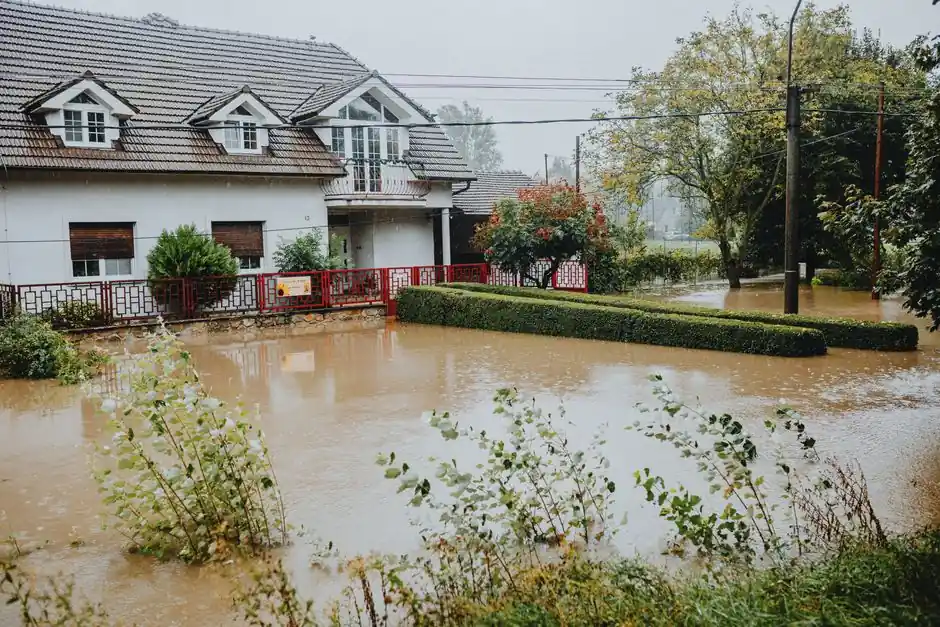
Source and safety check
The crew confirms the water is stopped, checks electrical and structural hazards and identifies the water category before work begins.
Call now to speak to a specialist
Call (385) 481-3042After the first-hour steps, a restoration company typically takes over with the professional work: stopping further damage, removing water and starting drying. Longer-term repairs such as drywall, paint and flooring generally come after the structure is dry.
The crew confirms the water is stopped, checks electrical and structural hazards and identifies the water category before work begins.
Pumps and wet vacuums remove standing water, and extraction wands pull water from carpet and pad.
Moisture meters and thermal cameras locate hidden wet areas behind walls, under floors and above ceilings, so nothing is left to grow mold.
Belongings are moved, blocked up or removed from affected rooms, and photos are taken for insurance purposes.
Air movers and dehumidifiers are placed based on moisture readings and typically run for roughly 3 to 5 days.
Emergency Water Damage in Layton is any sudden water event, such as a burst pipe, failed water heater, appliance leak or sewer backup, that needs fast action to protect people and limit what the water ruins. Fast does not mean panicked. The first hour is a short list of safety steps: stop the water, protect yourself from electrical and contamination hazards, save what you can safely lift and document the damage. Restoration work follows after those steps.
November in Layton is the start of freeze season. Cold nights crack lines in exterior walls, garages and crawl spaces, and the break often shows itself when the house warms in the afternoon. Many central Layton homes from the 1970s to 1990s have supply lines in exterior walls and finished basements below, so one split can wet two levels. Knowing where your main shutoff is and what not to touch makes the first hour far less chaotic.
Work down this list in order, only as far as is safe. Then call (385) 481-3042 and we connect you with a local restoration company. If anything feels dangerous, leave the house and call 911 first.
Call
Call (385) 481-3042 and say what happened, where you are and whether the water has stopped.
Get connected
We connect you with an independent local restoration company that serves your area.
The work
The company you are connected with inspects, explains scope and timing, and does the work with you directly.
Keep records
Ask the company for moisture readings and photos so you have a record for your insurer.
Moisture meters
Measure moisture content in wood and drywall as a percentage, showing how far water has traveled behind surfaces.
Thermal imaging cameras
Show cooler, wet areas behind walls and ceilings that cannot be seen, which helps find hidden leaks.
Submersible pumps and wet vacuums
Remove standing water and pull water from carpet and pad, which is the first step before drying equipment goes in.
Air movers and dehumidifiers
Dry the structure by moving air and removing vapor, usually for roughly 3 to 5 days.
Source control first
Stopping the water at the valve, appliance or fixture comes before anything else, because pumping is pointless while water keeps arriving.
Water category check
Under IICRC S500, the source decides whether water is clean, gray or black, and that guides protective gear and what is removed.
Document before disturbing
Photos and notes are taken before furniture is moved or materials are removed, so your insurer can see the original damage.
01
What we do: They shut off the main valve, stay out of the kitchen, photograph the damage and call (385) 481-3042 to be connected with a restoration company.
→ Water stops quickly, the ceiling is kept from collapsing on anyone and drying can begin right away.
02
What we do: The renter turns off the valve behind the washer, unplugs it if dry, lifts belongings and calls both the landlord and the restoration line.
→ Damage is limited to the laundry area and hall, and the photos help sort out who handles repairs.
03
What we do: They stay out of the basement, switch off power from a dry panel if possible and call for help to pump the water.
→ The basement is pumped in stages, and the homeowner avoids wading into a space with electrical hazards.
Emergency water damage in Layton follows the weather. With November here, freeze season is the main driver: pipes in exterior walls, garages and crawl spaces split in hard freezes, and the water often appears when the house warms. Central Layton has many 1970s to 1990s homes with finished basements below main-floor supply lines, so a single split can wet two levels. Outdoor spigots left connected to hoses can crack inside the wall, and leaks may not show until spring. Spring snowmelt off the foothills and Kays Creek brings groundwater and sump failures. Canyon wind events sometimes tear flashing and let water into attics. For a renter or military family near Hill Air Force Base, knowing the shutoff and having a landlord contact ready saves time. Emergency water damage restoration in Layton begins with the same first-hour steps whatever the season, and winter simply raises the stakes because cold slows drying and can freeze wet materials.
East Layton
Sloped lots, window wells and spring melt mean basement water emergencies are common, and sump pumps matter.
Central Layton near Layton Hills Mall
Older homes with supply lines in exterior walls are prone to freeze splits and second-floor leaks reaching lower levels.
Homes near Hill Air Force Base
Many rentals, so a ready landlord contact and documentation help sort out responsibility quickly.
Area around Davis Hospital
A mix of older and newer homes, where appliance and water heater failures are frequent sources of emergency leaks.
Hard freezes crack pipes in unheated walls, garages and crawl spaces
Leaks often start when ice thaws, so water can run for hours before anyone notices, especially if the house is empty.
Cold weather slows drying and freezes wet materials
Wet insulation or carpet in a cold space may not dry until the area is warmed, so heat and dehumidifiers matter.
Most water emergencies in Layton fall into a handful of patterns. Each has its own first steps, and recognizing the pattern quickly helps you decide what to shut off and what to leave alone.
Problem
Water spreads through insulation and drywall and can pull down a ceiling. Every moment the main valve stays open adds to the damage.
Our Fix
Close the main valve, stay out from under sagging ceilings, switch off breakers if dry and safe, and call for restoration help while you document the damage.
Problem
A 40 to 50 gallon tank can empty quickly, and water may reach an electrical panel or furnace, creating a shock and fire risk.
Our Fix
Turn off the cold water supply to the heater, shut off power to it at the breaker if safe and keep clear of standing water until the area is checked.
Problem
Sewage is contaminated and carries bacteria. Contact with skin, or tracking it around, spreads the problem and creates health risks.
Our Fix
Stop using water in the house, keep people and pets away and call for help. Restoration crews wear protective gear and disinfect after removing affected materials.

What you do in the first hour does not repair anything, but it sets the size of the problem. Stopping the source, staying safe and preserving evidence keep the damage smaller and make the restoration work clearer.
Water stopped at the source
Shutting the main valve ends the flow. A single supply line can release gallons per minute, so a closed valve in the first few moments limits how many rooms and floors get wet.
Electrical risk avoided
Water and power are a dangerous mix. Turning off breakers from a dry spot, and staying out of water near outlets, appliances or a panel, prevents the most serious injuries after a flood.
Belongings protected
Lifting rugs, electronics, papers and furniture off wet floors in the first hour can save items that would otherwise soak up water and wick it upward, and it keeps carpets easier to extract.
A clear record for insurance
Photos and short videos taken before cleanup begins show the source, the extent and the contents affected. That record helps whoever reviews your claim and the restoration company that follows.
Emergency water damage cost in Layton depends on how much water there is, how many rooms are affected and what kind of water it was. Exact numbers come from the restoration company after they see the home, and no single figure fits every emergency. In 2026, as in other years, a few factors drive the total, and acting in the first hour keeps most of them smaller.
What changes the price
How fast the source is stopped
A pipe shut off in the first moments wets less area than one running for hours, which means less extraction and less drying.
Area and floors affected
One room is a small job. Water that moves through a ceiling into a lower level means more demolition and more equipment.
Water category
Clean supply line water is simpler than gray or black water, which needs protective gear, removal of porous materials and disinfecting.
Materials affected
Carpet, hardwood, cabinets and drywall each behave differently, and salvageable materials cost less to handle than those that must be replaced.
Drying time
Equipment typically runs 3 to 5 days, longer for dense materials or cold conditions.
How you respond depends on what kind of water it is. Industry guidance such as the IICRC S500 standard sorts water into three categories, and that category affects what is safe to touch and what gets removed. You do not need to be an expert, but knowing the difference helps you decide quickly what to do and what to leave to a restoration crew with protective gear.
Real answers to the questions we hear most often from local homeowners and property managers.
Removing standing water is the first professional step after the first-hour safety work. Pumps and vacuums pull water out so drying can begin.
View Water ExtractionWhen water has spread across a level, flood cleanup removes debris and sanitizes. It follows the emergency steps once the source is stopped.
View Flood CleanupIf wet materials stay damp past 48 hours, mold may follow. Remediation uses containment and HEPA equipment to remove it.
View Mold RemediationBasements flood from groundwater, sumps and pipes. The first-hour steps apply, with extra caution around furnaces and panels in lower levels.
View Basement Flood CleanupFreeze season splits pipes in Layton walls. Knowing your main shutoff is the single most useful preparation.
View Burst Pipe Water DamageWater under the house is easy to miss. Check the crawl space after any leak or heavy melt, and call for help if you find standing water.
View Crawl Space Water RemovalThe fastest way to reach us is by phone. Call (385) 481-3042, describe the water problem, and we connect you with an independent local restoration company serving Layton, Utah and nearby Davis County towns. Water Cleanup Layton is a referral line, so there is no email or walk-in office.
No forms to fill in. Call (385) 481-3042, tell us what happened and where the water is, and we connect you with an independent local restoration company serving Layton and nearby towns.
Call (385) 481-3042