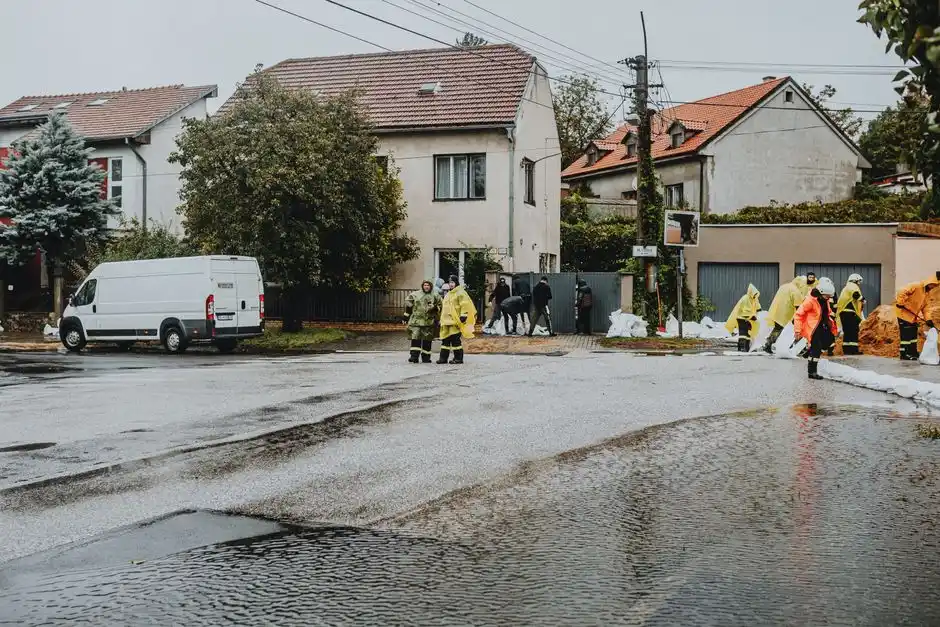
Source Control Guidance
The crew helps identify where the water came from and confirms it has stopped. Without that step, any drying work can be undone by a slow leak that keeps feeding the structure.
Call now to speak to a specialist
Call (385) 481-3042Mitigation covers the work that limits damage and starts drying. Repairs such as new drywall, paint and flooring belong to the rebuild stage that follows. The restoration company you are connected with decides the exact scope after checking the wet areas.
The crew helps identify where the water came from and confirms it has stopped. Without that step, any drying work can be undone by a slow leak that keeps feeding the structure.
Pumps and extractors remove standing water from floors, carpet and pad. Pulling out as much water as possible early is the fastest way to shorten the drying period.
Materials that cannot be dried, such as saturated insulation, carpet pad and swollen drywall, are removed and bagged. This prevents trapped moisture and keeps mold from starting inside the wall.
Air movers and dehumidifiers run for typically three to five days while meters track progress. The crew documents readings daily so the end of drying is a measured result.
Furniture and belongings in the wet area are moved, blocked up or set aside so floors can dry. Small items may be relocated to a dry room while work is under way.
Water Mitigation in Layton is the emergency damage-control stage of a water loss that removes water, protects undamaged materials, and starts drying so that the problem does not get bigger while repairs are planned. It is different from restoration and rebuild. Mitigation stops the clock: crews extract standing water, remove materials that cannot be saved, set drying equipment and document moisture. Restoration then repairs or replaces drywall, flooring, paint and trim. Many homeowners hear the two words used together, but they are separate phases with separate goals.
The reason it matters in Layton is timing. Moisture left in drywall and framing can support mold in 24 to 48 hours, and materials like hardwood and carpet pad get worse with every day they stay wet. A winter pipe break, a failed water heater, a washing machine hose or a spring snowmelt leak all call for mitigation first. Water mitigation in Layton often decides whether you replace one wall or four, because what is dried in time is usually what you get to keep.
Mitigation is a short, focused sequence. It begins as soon as the water source is controlled and ends when the structure reads dry and is ready for repair. Here is the order of work once you call and are connected with a local crew.
Call
Call (385) 481-3042 and say what happened, where you are and whether the water has stopped.
Get connected
We connect you with an independent local restoration company that serves your area.
The work
The company you are connected with inspects, explains scope and timing, and does the work with you directly.
Keep records
Ask the company for moisture readings and photos so you have a record for your insurer.
Thermal imaging camera
Shows temperature differences that point to wet areas behind walls and ceilings, so crews know where to open surfaces and where to leave them alone.
Pin and pinless moisture meters
Measure moisture content in drywall, wood and concrete, and give the daily readings that show whether drying is actually working.
LGR dehumidifiers
Low grain refrigerant dehumidifiers remove water from the air and from materials quickly, even in the dry indoor air of a Utah winter.
Air movers and extractors
Air movers push air across wet surfaces, while portable and truck-mounted extractors remove large volumes of water from floors and carpet.
IICRC S500 categories and classes
Water is sorted by contamination category and the amount of wet material by class. That classification decides how much equipment is used and what must be removed rather than dried.
Targeted material removal
Only materials that will not dry in place are taken out. Cutting drywall at measured heights above the visible water line keeps the rebuild scope small.
Daily documentation
Readings, photos and equipment logs are kept each day. At the end of drying the numbers show that the structure is dry, not just that time has passed.
01
What we do: The crew extracts the water, removes wet carpet pad and the bottom strip of drywall, and runs LGR dehumidifiers and air movers. Moisture readings are tracked daily until the structure reads dry.
→ Most of the framing and subfloor stays in place, and the rebuild can be limited to drywall, carpet and paint.
02
What we do: Mitigation covers both levels. Standing water is removed, the sagging ceiling section is taken down, and wall cavities are dried with air movers so mold does not start in the insulation.
→ Damage stays limited to one ceiling and one wall, with drying records ready for the insurance adjuster.
03
What we do: The crew pumps out the water, pulls the wet carpet and baseboard, and dries the wall bottoms. They check where the water entered so the source can be dealt with after drying.
→ The room is dry in several days, and the owners know where water entered the house.
Water mitigation in Layton is shaped by local housing and weather. Central Layton has many 1970s to 1990s homes with basements and older plumbing, while newer subdivisions on the west side and in East Layton have newer lines but the same winter freeze risk. Cold weather dominates November through February, and a split line in an exterior wall or garage ceiling is a frequent trigger. Spring brings snowmelt off the foothills, and some homes see water at foundation edges and in lower levels. Dry indoor winter air helps drying, but the furnace needs to be running so equipment can pull moisture from materials. Layton also has many rentals and military households near Hill Air Force Base, where a leak found after a few days away is common. Emergency water damage in Layton often becomes a mitigation job because the first step is always the same: stop the water, remove what is wet, and dry the rest with meters guiding the work.
East Layton
Foothill location means snowmelt and runoff reach foundations, and colder nights raise the chance of exposed pipes freezing.
Central Layton
Older homes with basements and aging supply lines are common, so leaks often reach the lower level.
Near Hill Air Force Base
Rentals and homes left empty during travel or deployments can have leaks that run for days before anyone notices.
Freezing winter nights across Davis County
Pipes in exterior walls and garages freeze and split. Mitigation calls rise after cold snaps, and drying starts as soon as the line is shut off.
Spring snowmelt from the Wasatch foothills
Meltwater can seep into basements and window wells, so mitigation often includes finding the entry point so water does not return.
Most water losses create more damage after the first hour than during it. These are the common problems Layton homeowners face and how mitigation changes the result.
Problem
Hidden moisture keeps wicking and can start mold in 24 to 48 hours. The surface can look fine while framing and insulation stay saturated.
Our Fix
Meters and a thermal camera find hidden wet areas, and small access holes let air reach wall cavities. Drying continues until readings match the dry reference, so the hidden water is actually gone.
Problem
Wood flooring absorbs moisture and swells within a day or two. Once cupped or buckled, it often cannot be saved.
Our Fix
Crews use floor drying systems and dehumidifiers to pull moisture from the boards and subfloor early. Flooring caught in time can sometimes be saved, while flooring left wet for days usually cannot.
Problem
Household fans and shop vacuums remove surface water but leave wall cavities and padding wet. Moisture left inside can show up later as odor or mold.
Our Fix
A mitigation crew measures what is actually wet and sets equipment to match. You get a record of readings that shows when the structure is dry, which takes the guesswork out of when it is safe to rebuild.
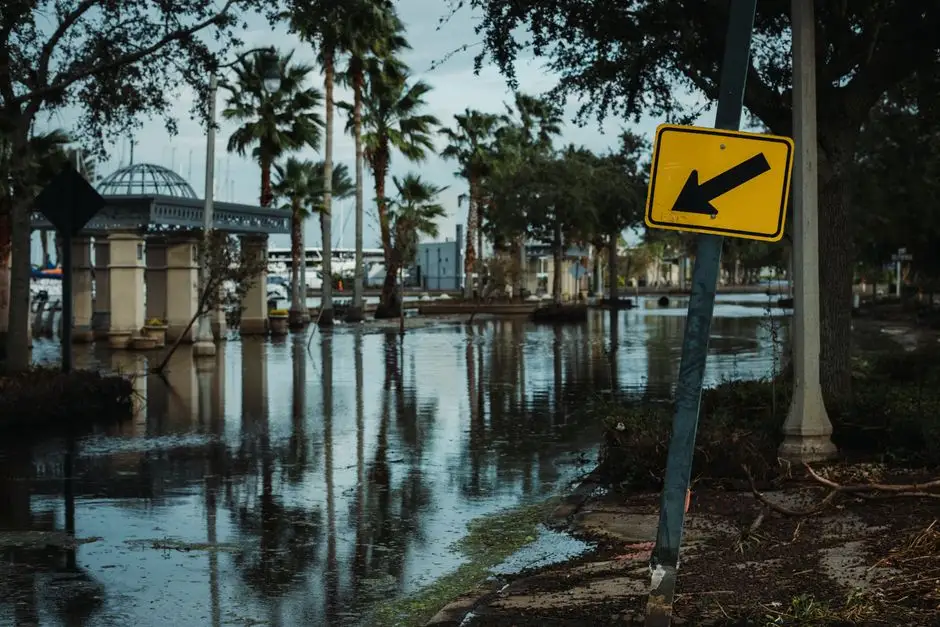
The work done in the first two or three days sets the cost and scope of everything that follows. Mitigation is not the finish line, but it decides how long and how expensive the road to the finish line will be. These are the outcomes it aims for.
Smaller Rebuild Scope
Drying drywall, subfloor and framing in place instead of letting them stay wet means fewer materials end up in the dumpster. A mitigated one-room loss can stay a one-room rebuild, while an ignored one spreads to adjoining rooms.
Mold Is Kept in Check
Mold needs moisture, organic material and time. Mitigation removes moisture within the 24 to 48 hour window when growth typically starts, which is why drying equipment and quick material removal matter more than cosmetic cleanup.
Clear Insurance Record
Mitigation crews record photos, meter readings and drying logs. That record shows what was wet, what was removed and when the structure reached the dry standard, which supports claim conversations with your insurer.
Lower Damage Over Time
Water can wick several inches up drywall within a day and swell wood flooring within a day or two. Stopping the spread early limits secondary damage, such as warped floors, stained ceilings and corroded fasteners.
The cost of water mitigation in Layton depends on how much water there is, how long it sat and what it touched. We do not list dollar amounts on this page, because the only honest way to price mitigation is after the wet areas are measured. The restoration company you are connected with sets the price from those readings. These factors move the total.
What changes the price
Area and volume of water
More wet square footage needs more extraction time, more air movers and more dehumidifiers. A single room is a very different job than a floor of the house.
Water category
Clean water is simplest. Gray or contaminated water means removing more porous materials and using protective gear, which raises scope.
Materials affected
Carpet, hardwood, tile, drywall and insulation respond differently. Layered or thick materials take longer to dry and are more likely to need removal.
Time since the loss
Water that sat for several days has usually soaked deeper and may have started mold. Early mitigation keeps the scope smaller.
Drying duration
Equipment typically runs three to five days. Larger or deeper losses can take longer, and equipment time is part of the cost.
Professional mitigation is built around the IICRC S500 standard, which describes water categories, drying classes and how to document drying. Those terms are general industry information, and they help you understand what the crew you are connected with is measuring. The goal is a dry structure, verified by readings, not a house that simply feels dry to the touch.

Real answers to the questions we hear most often from local homeowners and property managers.
Extraction is the first physical task in mitigation. Removing standing water with pumps and extractors reduces the moisture load, so drying equipment can focus on water held in drywall, framing and flooring.
View Water ExtractionA larger flood is mitigation on a bigger scale, with more extraction, more wet materials to remove and often contaminated water. The first-stage goals are the same: stop the spread and start drying.
View Flood CleanupMitigation and mold remediation are related but separate. Good mitigation helps prevent mold, while remediation is a different scope used when mold has already grown on wet materials.
View Mold RemediationBasements are a common place for mitigation in Layton, since water travels down. Pumping, removing wet drywall and drying concrete and framing are the usual steps.
View Basement Flood CleanupEmergency water damage describes the situation, and mitigation is the response. This service page covers what to do in the first hour, while mitigation explains the work that follows.
View Emergency Water DamageA split pipe is one of the most common reasons for mitigation in Layton winters. The plumber fixes the line, and mitigation handles the drywall, insulation and flooring that got wet.
View Burst Pipe Water DamageThe fastest way to reach us is by phone. Call (385) 481-3042, describe the water problem, and we connect you with an independent local restoration company serving Layton, Utah and nearby Davis County towns. Water Cleanup Layton is a referral line, so there is no email or walk-in office.
No forms to fill in. Call (385) 481-3042, tell us what happened and where the water is, and we connect you with an independent local restoration company serving Layton and nearby towns.
Call (385) 481-3042