Water damage restoration cost in Layton depends on five things more than any other: how much area is wet, what category of water it is, how long it has been sitting, which materials soaked it up, and how many days of drying equipment the structure needs. A small clean-water leak on a hard floor sits at one end of the range, and a sewage backup through a finished basement sits at the other.
Water damage restoration is the process of removing water, drying the structure and cleaning or removing damaged materials so the building can be repaired. This post explains what moves the price up or down so you can read any quote with confidence. It stays on factors, not figures, because the final number comes from the restoration company after it sees your property.
How much does water damage restoration cost in Layton?
The cost of water damage restoration in Layton is set job by job, because no two losses share the same water, materials and timeline. In 2026 the pricing logic is the same as in any other year: a restoration company counts the wet area, identifies the water category, sets drying equipment and adds labor for removal and cleaning.
Anyone who quotes a fixed number by phone before seeing the damage is guessing. Water that is still moving through a wall cavity does not show up on a phone call, which is why an on-site moisture reading is the starting point for a real quote.
Water Cleanup Layton does not set prices and does not do the work. We connect you with an independent local restoration company, and that company explains its own pricing once it has assessed the loss.
What are the biggest factors that change the price?
Four factors do most of the work in any water damage quote: the size of the affected area, the category of the water, the class of the loss and the time since it began.
- Square footage affected: more wet floor, wall and ceiling means more equipment, more labor and more drying time.
- Water category: Category 1 is clean supply water, Category 2 is gray water from appliances or groundwater, and Category 3 is contaminated water such as sewage or river flooding.
- Class of loss: the IICRC S500 standard groups losses by how much water the materials absorbed, from Class 1 with minimal moisture to Class 4 with deeply held moisture in dense materials.
- Time since the loss: water that sits for more than a day or two soaks deeper, and Category 1 water can degrade toward Category 2 and 3 over time.
IICRC S500 is the industry standard for water damage restoration. Restoration companies commonly use its categories and classes as the shared language for describing a job.
Why does the water category matter so much?
The water category matters because it decides what can be saved and what has to be thrown away. Category 1 water from a broken supply line often allows carpet and pad to be dried in place, while Category 3 water usually requires removing porous materials and sanitizing what stays.
Contaminated water also adds safety steps: protective equipment, containment, careful disposal and sanitizing. Those steps add labor, and that is a major reason sewage jobs cost more than clean-water jobs of the same size. The work described on the page for Sewage Cleanup in Layton follows that path.
How do the affected materials change the price?
The materials that got wet change the price because some dry easily and others do not. Hardwood floors, plaster walls and cabinetry can need slow, controlled drying, while carpet pad and wet insulation are usually removed because they hold water for days.
- Carpet and pad: pad is commonly removed, and carpet may be saved if the water was clean and it is dried quickly.
- Drywall: wet drywall may be dried or cut out, depending on how long it was wet and the category of water.
- Hardwood and laminate: cupping and swelling can mean specialized drying mats or replacement.
- Insulation: wet batting inside walls and ceilings often has to come out.
- Contents: furniture, boxes and electronics have to be moved, cleaned or inventoried.
Many Layton homes built in the 1970s through the 1990s have basements finished with carpet over a slab and drywall on the walls, and that combination soaks up a lot of water quickly.
How do drying days and equipment affect the cost?
Drying days and equipment affect the cost because restoration companies typically track the number of air movers and dehumidifiers on site and the number of days they run. Structural drying commonly takes 3 to 5 days, and it can run longer when moisture is trapped in dense materials or when winter air is cold and dry in one place and damp in another.
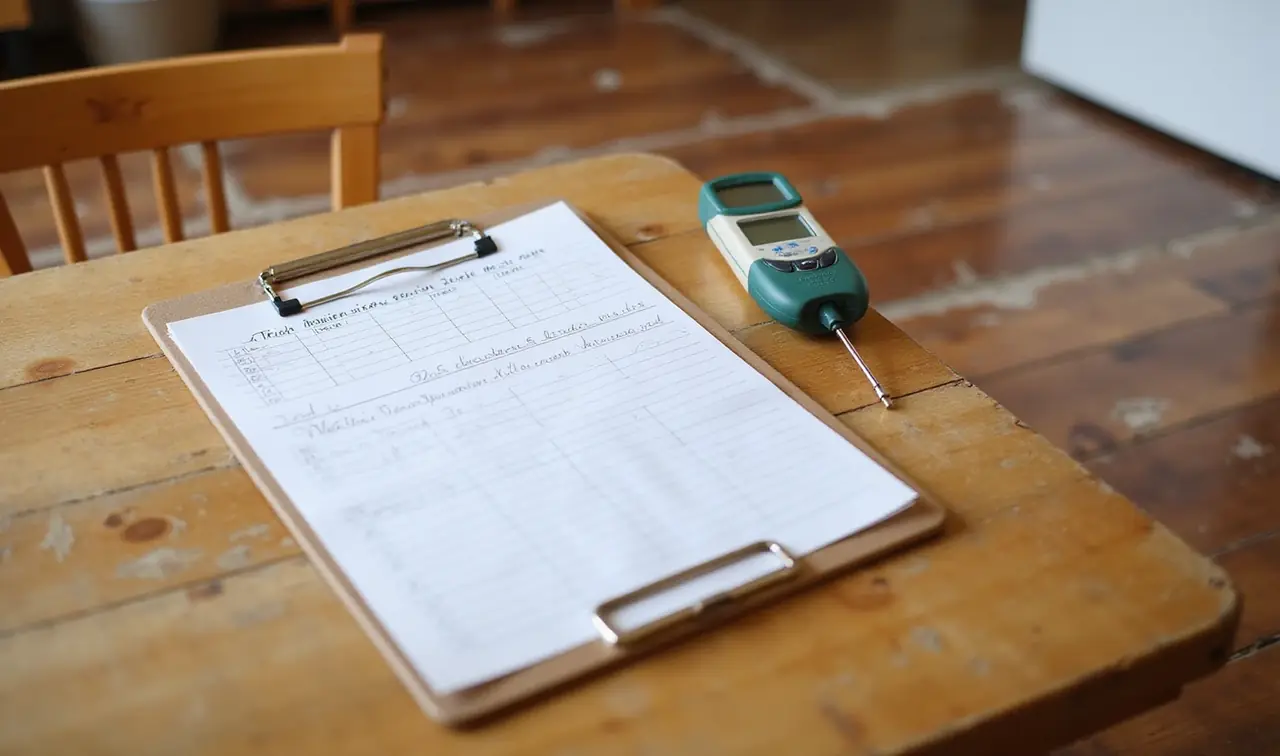
A moisture meter and daily readings show when the structure has reached its dry standard, so the equipment goes home when the walls are dry and not before. A job that is stopped early to save a day can leave moisture inside the wall and bring mold back.
The first stage is usually Water Extraction in Layton when there is standing water, because removing it with pumps and extractors is faster and cheaper than evaporating it with dehumidifiers.
How do mold and hidden damage change the bill?
Mold and hidden damage change the bill because they widen the scope of the job beyond the wet area you can see. Mold can begin to grow on damp materials within 24 to 48 hours, and once it is present the work includes containment, removal of affected materials and cleaning, which is a separate scope described on the page for Mold Remediation in Layton.
Hidden water travels. A pipe that bursts in an upstairs wall can send water into the ceiling below, the insulation, the subfloor and the basement. Opening a few small test holes and scanning with a moisture meter or thermal camera shows how far it went, and a wider footprint means higher cost.
Does winter change the cost of water damage in Layton?
Winter changes the cost of water damage in Layton mainly by adding burst pipe jobs and by making cold, closed-up houses harder to dry. During a hard freeze, many homes are hit at once, and demand on local restoration companies rises.
Frozen pipe losses also tend to be larger than a small leak, because a line can run for hours before anyone notices, and water can travel through several rooms. The first step on any burst pipe is stopping the flow, and the scope that follows is covered by Emergency Water Damage in Layton.
What is the difference between restoration and rebuilding?
Restoration is the work of stopping damage and drying the structure, and rebuilding is the work of replacing what was removed. They are usually separate scopes with separate costs, and it helps to ask which one a quote covers.
Mitigation includes water removal, drying, removal of unsalvageable materials and cleaning. Rebuild includes new drywall, paint, flooring, trim and cabinets. Mitigation done fast tends to shrink the rebuild, because more materials are saved.
How should you compare quotes?
Compare water damage quotes by asking what each one includes, since two companies can describe the same job differently. Use a short checklist when you read them:
- Does the quote say which water category and class of loss the company identified?
- Does it list the rooms and square footage it counted?
- Does it say how many days of drying are expected, and how progress will be measured?
- Does it say what will be removed and what will be dried in place?
- Does it separate mitigation from rebuild?
- Does it explain what happens if hidden moisture is found?
Towns around Layton have their own housing mix, so the local pages on Water Damage Restoration in Clearfield and Water Damage Restoration in Centerville are useful for seeing how scope varies.
Common mistakes that drive costs up
The most common cost mistake is waiting. Every extra day lets water spread into more materials and gives mold time to start.
- Waiting for water to evaporate by itself while moisture sinks into walls and subfloor.
- Choosing a quote only because it is the lowest, then finding that drying was cut short.
- Running only household fans, which do not remove moisture from the air.
- Throwing away materials before photographing them, which can complicate an insurance review.
- Ignoring a small leak until it becomes a larger loss.
When to call a professional
Call a water damage restoration professional when water has reached drywall, insulation or subfloor, or when it has been sitting for more than a day. A professional assessment is the only way to learn the true size of the loss.
When you call Water Cleanup Layton, we connect you with an independent local restoration company serving Layton and nearby Davis County towns, and that company assesses the property and explains its own pricing.
Get help with Water Damage Restoration in Layton
Understanding the price factors helps, but the real number comes from someone seeing your property. Call (385) 481-3042 and we connect you with a local water damage restoration company.